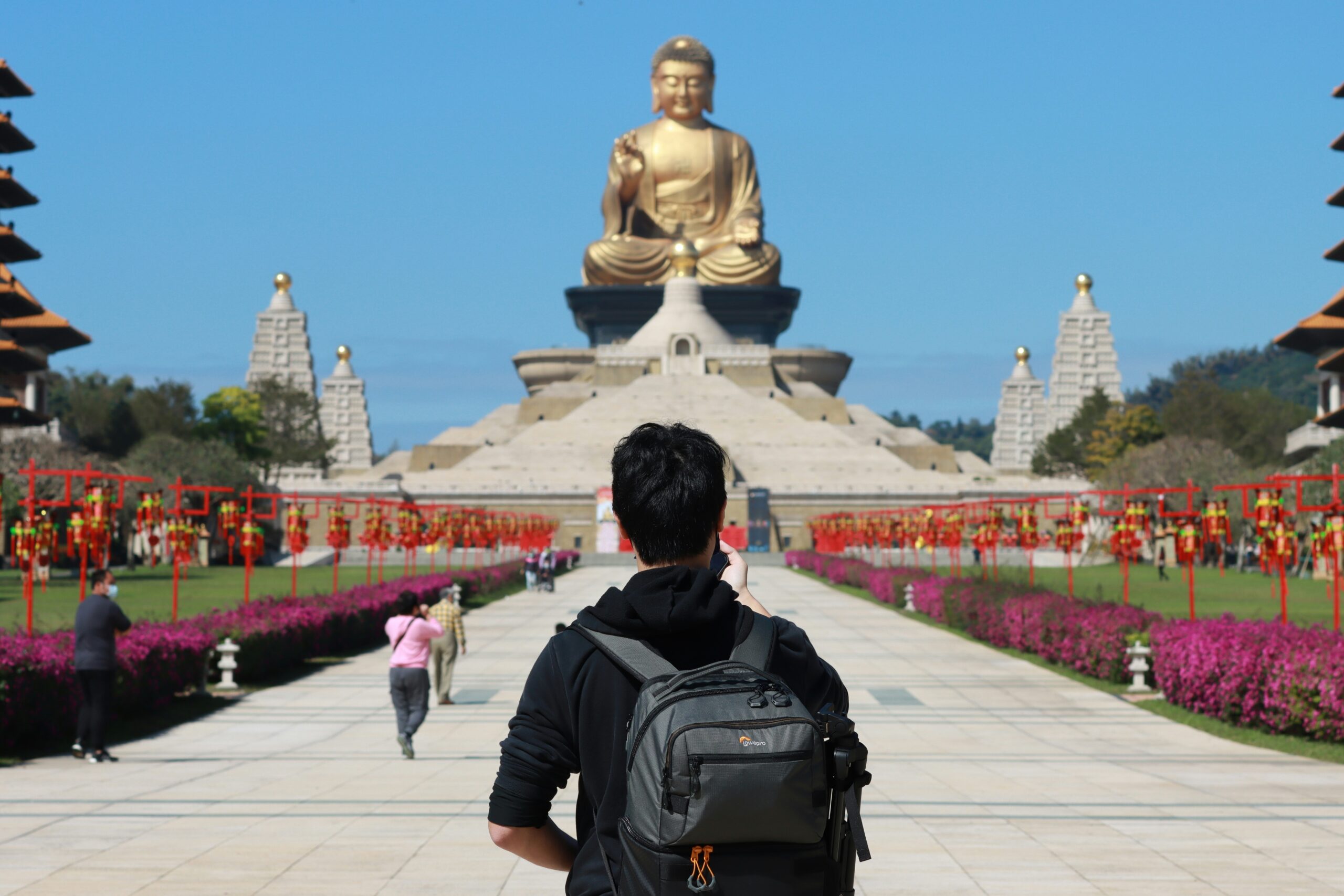
Interfaith travel refers to journeys where individuals engage with communities of different religious traditions and cultural practices. This type of travel goes beyond sightseeing because it focuses on understanding beliefs, rituals, and values that shape human identity. Moreover, travelers often seek deeper meaning by observing how faith influences daily life in different parts of the world. As a result, interfaith travel becomes both an educational and transformative experience.
At the same time, interfaith travel encourages curiosity and openness toward unfamiliar traditions. When travelers enter sacred spaces or participate in cultural discussions, they often challenge their own assumptions. Furthermore, these experiences create opportunities for personal reflection and broader understanding. Therefore, interfaith travel is not only about visiting places but also about expanding perspectives.
The Role of Respect and Cultural Sensitivity
Respect plays a central role in interfaith travel because it shapes how travelers interact with diverse religious communities. When individuals show genuine respect, they build trust and create meaningful connections with local people. Moreover, respectful behavior allows travelers to observe traditions without disrupting sacred practices. As a result, interactions become more authentic and enriching.
In addition, cultural sensitivity helps travelers avoid misunderstandings that may arise from differences in belief systems. When people take time to learn basic customs and etiquette, they demonstrate awareness and consideration. Furthermore, this sensitivity enhances the overall travel experience by fostering positive communication. Therefore, respect and understanding become essential foundations for meaningful interfaith journeys.
Visiting Sacred Spaces Across Different Faiths
Sacred spaces such as temples, mosques, churches, and monasteries often serve as key highlights in interfaith travel. When travelers enter these spaces, they experience the architectural beauty and spiritual atmosphere that reflect centuries of tradition. Moreover, these visits provide insight into how communities express devotion and maintain cultural heritage. As a result, travelers gain a deeper appreciation for religious diversity.
At the same time, sacred spaces encourage reflection and mindfulness. When individuals observe rituals or silent practices, they often develop a sense of calm and awareness. Furthermore, these environments allow travelers to step away from everyday distractions and focus on meaning and presence. Therefore, visiting sacred spaces becomes a powerful part of interfaith exploration.
Learning Through Conversations with Local Communities
Conversations with local communities play a significant role in interfaith travel because they provide personal insights that cannot be found in guidebooks. When travelers engage in open dialogue, they learn about beliefs, values, and traditions directly from practitioners. Moreover, these interactions often reveal shared human experiences across different faiths. As a result, understanding becomes more personal and meaningful.
In addition, respectful conversations help break down stereotypes and misconceptions. When people listen to each other’s stories, they discover similarities that connect different cultures. Furthermore, these exchanges often lead to lasting impressions and friendships. Therefore, dialogue becomes one of the most valuable aspects of interfaith travel.
Experiencing Religious Festivals and Celebrations
Religious festivals offer travelers a unique opportunity to witness faith expressed through celebration, music, and community gatherings. When individuals participate in or observe these events, they experience the emotional and cultural richness of religious traditions. Moreover, festivals highlight how faith brings people together in moments of joy and unity. As a result, travelers gain a deeper appreciation for cultural expression.
At the same time, festivals often reveal the historical and spiritual significance behind religious practices. When travelers observe rituals during celebrations, they understand how traditions have been preserved over generations. Furthermore, these experiences create lasting memories that strengthen cultural awareness. Therefore, religious festivals are an essential part of interfaith travel experiences.
Personal Transformation Through Interfaith Encounters
Interfaith travel often leads to personal transformation because it challenges existing beliefs and expands worldviews. When travelers engage with different faith traditions, they begin to reflect on their own values and assumptions. Moreover, these experiences encourage self-awareness and emotional growth. As a result, individuals return from their journeys with a broader sense of understanding.
In addition, exposure to diverse beliefs fosters empathy and compassion. When people see how others live meaningful lives through different spiritual paths, they develop greater respect for diversity. Furthermore, this transformation often influences how they interact with others in everyday life. Therefore, interfaith travel becomes a journey of both external exploration and internal growth.
Challenges and Responsibilities in Interfaith Travel
Interfaith travel also presents challenges that require awareness and responsibility. When individuals enter unfamiliar cultural and religious environments, they must navigate differences carefully and respectfully. Moreover, misunderstandings can occur if travelers fail to observe local customs or traditions. As a result, preparation becomes an important part of the experience.
In addition, travelers have a responsibility to approach interfaith encounters with humility. When people assume they already understand a culture, they may miss important insights or unintentionally cause offense. Furthermore, responsible travel involves listening more than judging and observing more than interrupting. Therefore, awareness and humility are essential for meaningful interfaith engagement.
The Lasting Impact of Interfaith Travel
The impact of interfaith travel often extends long after the journey ends. When travelers return home, they carry new perspectives that influence how they view diversity and global communities. Moreover, these experiences often inspire continued learning and exploration of different cultures. As a result, interfaith travel becomes a lifelong source of insight.
At the same time, the memories and lessons gained through interfaith travel shape personal values and social awareness. When individuals reflect on their experiences, they often develop a deeper appreciation for human connection. Furthermore, these journeys encourage openness and reduce cultural bias. Therefore, interfaith travel leaves a lasting imprint on both personal and intellectual growth.