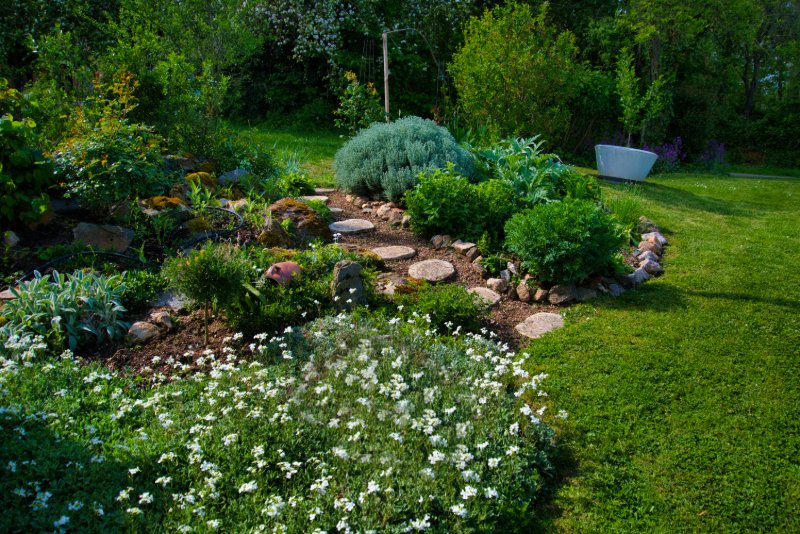
A front yard can offer much more than a green lawn and decorative flowers. With thoughtful planning, homeowners can transform this outdoor space into a productive garden that provides fresh vegetables, herbs, and fruits. Creative edible garden designs combine beauty with practical benefits while making better use of available land. Even small front yards can support healthy plants when gardeners choose suitable layouts and growing methods.
Edible landscaping also creates opportunities to reduce grocery expenses, improve outdoor appeal, and enjoy homegrown food. Instead of separating ornamental plants from food crops, homeowners can combine them into attractive arrangements. The key involves understanding sunlight, soil conditions, available space, and plant growth patterns. With the right approach, almost any front yard can become a welcoming and productive garden.
Planning an Edible Landscape That Fits Your Space
Successful edible garden designs begin with a clear understanding of the available area. Homeowners should observe how sunlight moves across their front yard throughout the day. Most fruiting vegetables need at least six hours of direct sunlight, while certain leafy greens tolerate partial shade. Identifying sunny and shaded spots helps gardeners choose the right crops and avoid disappointing results.
A simple garden sketch can simplify planning—Mark existing trees, pathways, driveways, and outdoor features before choosing planting areas. Consider how visitors will move through the yard and where plants might block visibility. Homeowners should also check local landscaping rules and neighborhood requirements. A thoughtful layout balances food production with accessibility, safety, and visual appeal.
Combining Vegetables With Ornamental Flower Beds
Traditional flower beds can become productive growing spaces without losing their decorative charm. Vegetables such as Swiss chard, kale, lettuce, and colorful peppers offer attractive foliage and interesting textures. Gardeners can place these crops among flowering plants to create layered arrangements. Bright vegetables also add seasonal color while providing fresh ingredients for everyday meals.
Companion planting can further improve the appearance and usefulness of garden beds. For example, marigolds and nasturtiums add cheerful flowers near vegetables and attract beneficial insects. However, gardeners should choose plant combinations based on similar sunlight, water, and soil needs. Thoughtfully mixing edible and ornamental plants creates an inviting landscape that stays practical throughout the growing season.
Using Raised Beds for Better Organization
Raised garden beds provide an effective way to organize edible plants within limited front yard space. Their defined borders create a neat appearance that complements modern and traditional homes. Gardeners can construct beds using untreated wood, stone, or other suitable materials. Different shapes and heights also let homeowners match the design to existing landscaping features.
Raised beds offer several practical advantages beyond appearance. They allow gardeners to improve soil quality, manage drainage, and reduce soil compaction. Narrow beds make planting, watering, and harvesting easier without stepping onto growing areas. Leave enough room between beds for comfortable movement. These organized spaces can support vegetables, herbs, and compact fruit varieties throughout the growing season.
Growing More Food With Vertical Garden Designs
Vertical gardening helps homeowners increase production without expanding planting areas. Trellises, arches, wall-mounted planters, and climbing supports let crops grow upward instead of spreading across the ground. Pole beans, peas, cucumbers, and certain tomato varieties work well with proper support. Vertical structures can also create attractive garden features near entrances or along existing fences.
Choosing suitable materials and locations makes vertical gardens more successful. Supports must remain strong enough to hold mature plants, especially during windy weather. Gardeners should position taller structures carefully to avoid shading smaller crops. Regular pruning and training help plants grow neatly while improving airflow. Vertical gardening offers an excellent solution for narrow yards and crowded planting spaces.
Adding Herbs Along Walkways and Borders
Herbs offer a simple way to add edible landscaping without major changes. Rosemary, thyme, chives, parsley, and basil can grow along walkways, garden edges, and entrance areas. Their varied leaf shapes, colors, and fragrances add interest to ordinary borders. Many herbs also remain compact, making them suitable for small planting pockets near established flowers.
Gardeners should group herbs by their growing needs. Rosemary and thyme generally prefer well-drained soil and relatively dry conditions, while parsley and basil need more consistent moisture. Easy access encourages frequent harvesting for cooking. Regular trimming can also help many herbs maintain an attractive shape. These useful plants make front yard gardens both welcoming and productive.
Choosing Compact Fruits for Small Front Yards
Fruit production doesn’t always require large trees or extensive growing space. Strawberries, blueberries, and suitable dwarf fruit trees can fit into carefully planned front yard landscapes. Strawberry plants work particularly well along sunny borders and in containers. Blueberry bushes provide seasonal flowers, colorful foliage, and edible fruit when gardeners meet their specific soil requirements.
Homeowners should research mature plant sizes before selecting fruit varieties. Some dwarf trees still need substantial room for healthy roots and branches. Pollination requirements also deserve attention, as some varieties need compatible nearby plants. Choosing fruits suited to the local climate improves the chances of reliable harvests. Proper placement allows fruit plants to serve as both landscape features and food sources.
Making Containers Part of the Garden Design
Containers offer flexibility for homeowners with paved entrances, small lawns, or limited planting areas. Decorative pots can hold lettuce, peppers, herbs, and compact tomato varieties. Gardeners can arrange containers in groups of different heights to create visual interest. Matching pot colors and materials with the home’s exterior helps maintain a coordinated appearance.
Container gardens also make seasonal changes easier. Homeowners can move suitable pots to improve sunlight exposure or replace finished crops with new plantings. However, containers need drainage holes and regular moisture checks because their soil can dry quickly. Choosing appropriately sized pots supports healthy root development. This adaptable approach makes edible gardening possible even where traditional garden beds are impractical.
Maintaining a Beautiful and Productive Front Yard
An attractive edible garden requires consistent care throughout the growing season. Regular watering, mulching, and timely harvesting help plants remain healthy and productive. Gardeners should inspect leaves for pest damage and remove weeds before they compete for nutrients. Adding compost can improve soil quality, while appropriate spacing supports airflow and reduces overcrowding.
Seasonal planning also helps maintain visual appeal after individual crops finish producing. Homeowners can replace harvested vegetables with suitable cool-season or warm-season varieties. Flowers, evergreen herbs, and permanent pathways provide structure between harvests. By combining practical maintenance with thoughtful design, gardeners can enjoy a front yard that delivers fresh food, natural beauty, and lasting value.