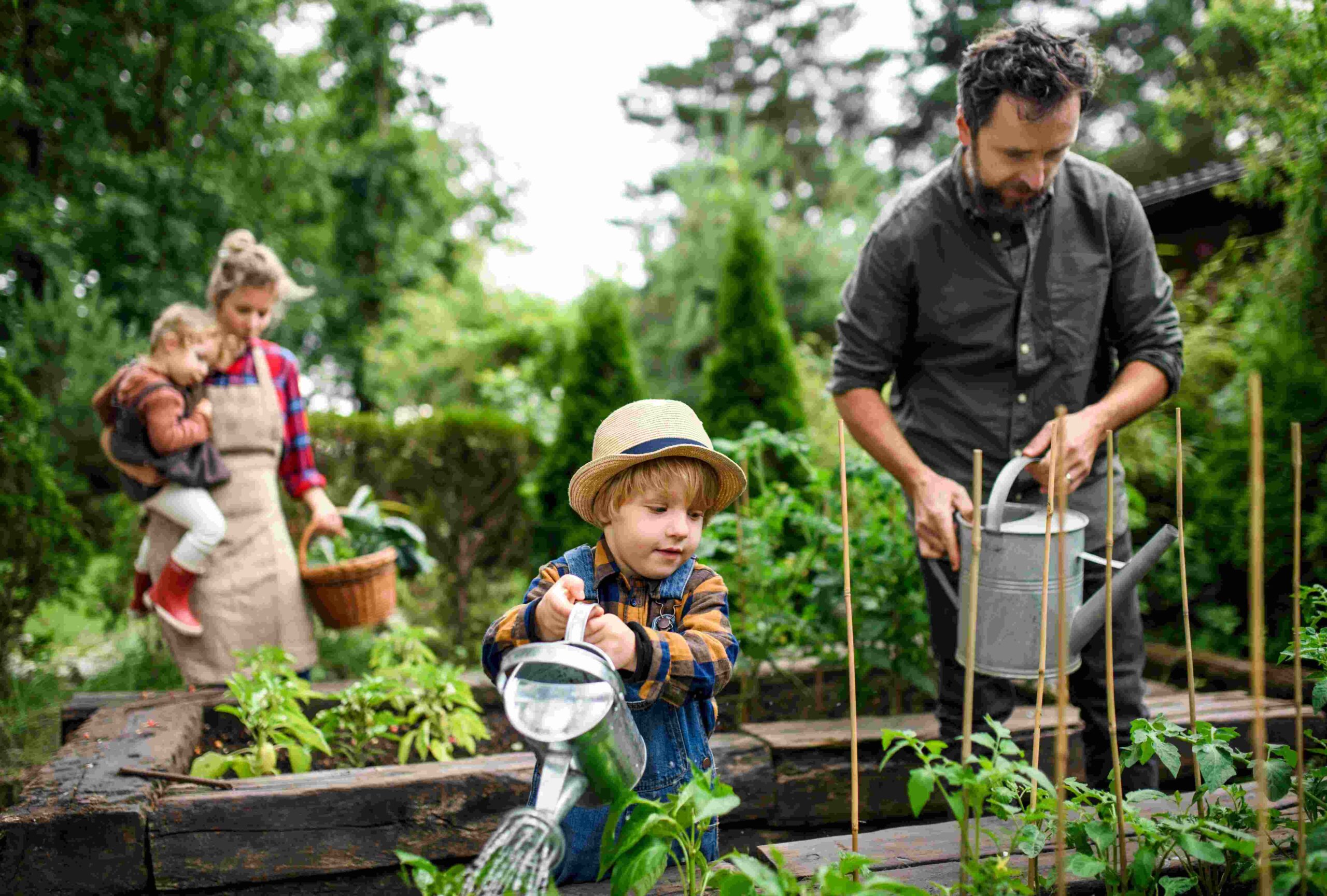
Gardening offers more than beautiful flowers, fresh vegetables, and attractive outdoor spaces. It creates opportunities to relax, reconnect with nature, and develop healthier daily habits. Many people experience stress from demanding schedules, personal responsibilities, and constant digital distractions. Spending time with plants can provide a peaceful break from these pressures while encouraging greater awareness of the present moment.
Growing and caring for plants can support emotional well-being in several ways. The physical activity encourages movement, while the natural surroundings create a calming environment. Gardening also offers a sense of purpose through simple, rewarding tasks. Whether someone maintains a large backyard or grows herbs on a windowsill, regular contact with plants can become a meaningful part of a balanced lifestyle.
Understanding the Connection Between Gardening and Mental Health
Gardening connects people with natural surroundings through activities that engage both the body and mind. Planting seeds, watering flowers, and tending soil require attention without demanding constant mental effort. These activities can provide relief from daily worries and encourage people to focus on manageable tasks. For individuals experiencing everyday stress, this change of pace may create a welcome sense of calm.
Research suggests that gardening activities can benefit psychological well-being, although results vary among individuals. Spending time outdoors may improve mood, while caring for living plants can create feelings of satisfaction. Gardening also provides opportunities to develop patience and confidence. Watching small plants grow into healthy flowers or vegetables reminds gardeners that positive changes often happen gradually through consistent care.
How Gardening Helps Reduce Everyday Anxiety
Anxiety can make ordinary responsibilities feel overwhelming. People may spend hours thinking about future problems or worrying about situations they cannot control. Gardening offers an activity that directs attention toward immediate surroundings. Feeling the soil, observing leaves, and completing simple planting tasks can help shift focus away from repetitive thoughts. These moments of concentration may provide temporary relief from anxious feelings.
Gardening also introduces a gentle routine into daily life. Watering plants in the morning or checking their growth in the evening creates predictable moments of activity. Such routines can provide structure during stressful periods. Unlike many demanding responsibilities, gardening allows individuals to adjust their pace and expectations. A person can spend several minutes caring for one plant or enjoy a longer session outdoors, depending on their energy and available time.
Developing Mindfulness Through Plant Care
Mindfulness involves paying attention to the present moment without becoming overwhelmed by unrelated thoughts. Gardening naturally encourages this practice because plants require observation and care. Gardeners notice changes in leaf color, soil moisture, sunlight, and seasonal growth. These details help bring awareness to what is happening around them instead of allowing their thoughts to remain fixed on past experiences or future concerns.
Simple gardening activities can become opportunities for mindful reflection. Someone planting flowers might focus on the texture of the soil and the movement of their hands. While watering vegetables, they can observe the sound of flowing water and the appearance of healthy leaves. This attentive approach transforms familiar tasks into calming experiences. Over time, practicing awareness in the garden may help individuals develop similar habits during other daily activities.
The Emotional Benefits of Spending Time Outdoors
Natural surroundings often provide a refreshing contrast to crowded streets, busy workplaces, and indoor environments. Gardens offer opportunities to experience sunlight, fresh air, and changing seasonal conditions. Trees, flowers, and green spaces may create a peaceful atmosphere that encourages relaxation. These surroundings can make gardening particularly appealing to people who spend much of their day working indoors or using electronic devices.
Outdoor gardening also creates opportunities to disconnect from digital distractions. Constant notifications and online activities can make it difficult to enjoy uninterrupted moments. Spending time tending plants allows individuals to focus on physical surroundings instead of screens. This change can encourage mental rest and improve awareness of everyday experiences. Even a brief gardening session may offer a valuable opportunity to enjoy quiet surroundings and return to other responsibilities feeling more refreshed.
Building Confidence Through Small Gardening Achievements
Gardening provides visible results that can strengthen feelings of accomplishment. Planting a seed, noticing new leaves, or harvesting a vegetable offers a clear connection between personal effort and progress. These achievements may seem small, but they can provide meaningful encouragement. Individuals who feel overwhelmed by demanding responsibilities may find satisfaction in completing manageable tasks that produce gradual improvements.
Gardening also teaches people to respond constructively when things do not go as planned. Plants sometimes struggle because of changing weather, insects, or unsuitable growing conditions. Gardeners learn to observe problems, make adjustments, and continue caring for their plants. This process can encourage patience and flexibility. Instead of expecting immediate success, individuals begin to appreciate learning and gradual development. Such experiences may support confidence when facing challenges beyond the garden.
Encouraging Physical Activity for Better Emotional Wellness
Physical movement plays an important role in maintaining overall health. Gardening creates opportunities for gentle exercise through digging, planting, watering, and other routine activities. These movements engage different muscle groups and encourage people to spend less time sitting. Although gardening does not replace every form of exercise, it can contribute to a more active lifestyle, especially for individuals who enjoy practical outdoor activities.
Movement can also support emotional wellness by providing a productive way to release tension. Gardening combines physical effort with an enjoyable purpose, which may make activity feel less like an obligation. People can adapt tasks to suit their physical abilities by using raised beds, lightweight tools, or comfortable seating. Taking breaks and avoiding excessive strain help maintain a positive experience. The objective is to enjoy movement while developing a healthier connection with the surrounding environment.
How Gardening Creates a Sense of Purpose
Having meaningful daily activities can contribute to emotional stability and personal satisfaction. Gardening provides responsibilities that encourage regular participation without requiring constant pressure. Plants depend on suitable water, light, and growing conditions, giving gardeners reasons to return and observe their progress. This ongoing relationship can create a sense of connection and responsibility that adds value to ordinary routines.
The gardening process also encourages people to appreciate gradual improvement. A newly planted seed may take days or weeks to emerge, while flowers and vegetables develop according to their natural cycles. These experiences demonstrate the importance of consistency and patience. Gardeners learn that meaningful results often require time and attention. For people experiencing periods of uncertainty, maintaining a small garden may provide a comforting activity that supports a sense of direction.
Strengthening Social Connections Through Shared Gardening
Although gardening can be a peaceful individual activity, it also creates opportunities for meaningful social interaction. Family members may work together to prepare planting areas, choose flowers, or care for vegetables. These shared experiences encourage communication and cooperation. Gardening conversations often develop naturally because participants can focus on practical tasks while enjoying each other’s company.
Community gardens offer similar opportunities beyond the household. Participants can exchange growing advice, share harvests, and develop relationships with neighbors who have common interests. Such connections may reduce feelings of loneliness and strengthen a sense of belonging. People who prefer quieter social activities may find gardening especially comfortable because it allows conversations to develop without pressure. Shared outdoor experiences can help build supportive relationships while improving local green spaces.